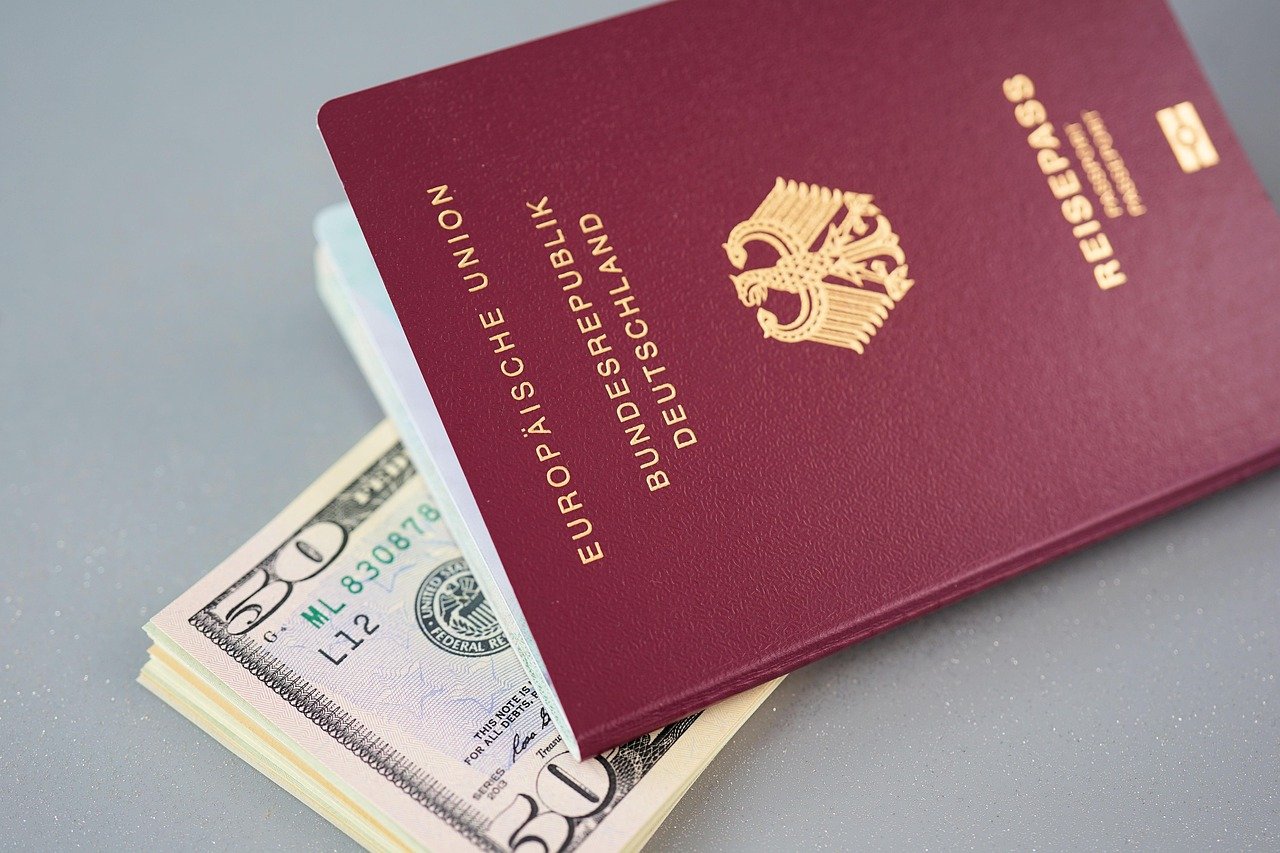
Germany Permanent Residency Visa for Immigrants: Easy Steps (2026)
Looking for a greener pasture? Germany is a land of opportunity. It offers a high quality of life, stable jobs, top-notch healthcare, and a welcoming, multicultural environment. For immigrants, the Permanent Residency (PR) visa is the key to building a lasting life here.
As, we all know that this visa allows you to stay and work in Germany without requiring renewal. In 2025, Germany continues to refine its immigration system to attract skilled workers, families, students, and entrepreneurs.
Therefore, in this post we will explain the PR visa in simple terms, covering the types, requirements, application steps, costs, timelines, benefits, and potential hurdles. Whether you’re a professional, student, or investor, this will help you navigate the process.
What is Germany Permanent Residency?
Germany PR is called Niederlassungserlaubnis. It allows you to:
-
Live in Germany forever
-
Work without restrictions
-
Change jobs freely
-
Access social benefits
-
Travel freely in the Schengen area
-
Apply for German citizenship later
Why You Have to Choose Germany?
Germany is a great place to live and work. It has a strong economy with plenty of job opportunities, especially in areas like technology, engineering, healthcare, and finance. People can find stable work and build a secure future.
The healthcare system is excellent and affordable, so you can get good medical care without high costs. Public transport is reliable, roads are well maintained, and cities are clean and organized, making daily life easier.
Germany is home to people from many different countries and cultures, so immigrants often feel welcome and included. It’s a safe country where you can plan for the long term.
Permanent residency allows you to enjoy all these benefits without worrying about renewing visas again and again. It gives you stability, freedom, and peace of mind.
Types of Germany Permanent Residency Visas
Germany offers several PR visa options, each designed for different people based on their goals and backgrounds. Knowing which one fits you is the first step to a successful application.
1. Employment-Based PR Visa
This visa is for skilled workers who have a job in Germany. It’s perfect for professionals in high-demand fields like IT, engineering, healthcare, finance, or research.
- What You Need: A job offer from a German employer, relevant qualifications (like a degree or certifications), and at least five years of work experience in Germany.
- Why It’s Great: This visa rewards skilled workers by offering a clear path to permanent residency. It encourages you to build a career and integrate into German society.
- Who It’s For: People with expertise in industries Germany needs, such as software developers, doctors, or engineers.
2. EU Blue Card
The EU Blue Card is a special work and residency permit for highly skilled non-EU citizens. It’s a fast track to PR, making it one of the most popular options.
- What You Need: A university degree or equivalent, a job contract with a minimum salary (set yearly, often around €60,000 in 2025), and experience in a key field like IT or healthcare.
- Why It’s Great: You can apply for PR after just 33 months (or 21 months if you speak advanced German). It’s flexible and widely recognized across the EU.
- Who It’s For: Professionals with advanced skills and high-paying jobs, such as data scientists or architects.
3. Family Reunion PR Visa
This visa is for those with close family members legally living in Germany, like spouses, registered partners, or children under 18. In some cases, it includes dependent relatives.
- What You Need: Proof of your relationship (like a marriage or birth certificate), proof that your family member is a legal resident, and enough living space for everyone.
- Why It’s Great: It lets families stay together, and you may get work rights depending on your situation. It supports cultural integration by keeping loved ones close.
- Who It’s For: Spouses, children, or parents of German residents or citizens.
4. Business and Investor PR Visa
This visa is for entrepreneurs or investors who want to start or fund a business in Germany.
- What You Need: Enough money to invest, a solid business plan, and proof that your business will help the German economy. You also need business experience.
- Why It’s Great: It rewards innovation and economic contributions, offering a path to PR for those who create jobs or drive growth.
- Who It’s For: Business owners, startup founders, or investors with significant capital.
5. PR for Graduates and Students
This visa is for students who graduate from a German university and find a job in their field.
- What You Need: A degree from a recognized German institution and a job related to your studies. You start with a temporary permit that can become PR.
- Why It’s Great: Germany wants to keep talented graduates, so this visa makes it easier to stay after your studies.
- Who It’s For: International students who want to build a career in Germany.
General Requirements
- Time in Germany: Live legally in Germany for at least 5 years (33 months for EU Blue Card holders, or 21 months with advanced German).
- Financial Stability: Prove you can support yourself and your family without relying on public funds. This might include bank statements or salary slips.
- Health Insurance: Have valid health insurance that meets German standards.
- Language Skills: Know basic German, usually A1 or B1 level, depending on the visa. Some categories, like the EU Blue Card, may require more advanced skills.
- Integration: Show you understand German laws, culture, and society. This often means taking integration courses or proving community involvement.
How to Apply for Germany PR Visa
The application process has clear steps. Follow them carefully to boost your chances of success.
- Get Your Documents:
- Valid passport or travel document.
- Current residence permit or visa.
- Job contract, business ownership proof, or university degree (depending on your visa).
- Bank statements or salary slips to show financial stability.
- German language certificate (A1 or B1, depending on the visa).
- Health insurance certificate.
- Proof of accommodation (like a rental agreement).
- Marriage or birth certificates for family reunion applications.
- Submit Your Application: Visit your local foreigners’ office (Ausländerbehörde). Most offices require you to book an appointment in advance.
- Attend an Interview (If Needed): Some applicants must meet with officials to verify documents, check language skills, or discuss integration efforts.
- Pay the Fees: Pay a nonrefundable application fee (see costs below). Have the payment ready when you submit.
- Wait for Processing: Processing times vary by visa type. You may get a temporary permit while your application is reviewed.
- Receive Your PR: If approved, you’ll get a permanent residence card. This grants you the right to live and work in Germany indefinitely.
Costs of Getting PR Visa
Applying for PR involves several costs. Budgeting for these is key to a smooth process. Here’s what to expect in 2025:
- Application Fees: €140–€160 for most PR visas. Family reunion visas cost €75–€100 per person. EU Blue Card holders may have paid an initial fee.
- Health Insurance: €100–€400 per month, depending on your provider and coverage.
- Language Courses: €300–€500 for classes, though some are subsidized by the government.
- Document Translation and Notarization: €50–€200 per document, depending on complexity.
- Legal Help (Optional): €500–€1,500 if you hire an immigration lawyer.
How Long Does It Take?
Processing times depend on the visa type, your documents, and the foreigners’ office workload. Here’s a breakdown for 2025:
- Employment-Based PR: 4–6 months.
- EU Blue Card: 2–4 months after meeting the residency period.
- Family Reunion: 3–6 months for spouses and children, longer for other relatives.
- Business/Investor: 6–12 months, due to detailed business checks.
- Graduates: 3–6 months after submitting all documents.
Delays can happen if your documents are incomplete, the office is busy, or extra checks are needed. Apply early and track your application to stay on top of things.
Tips for a Successful Application
To make your PR journey smoother, follow these tips:
- Start Early: Gather documents and apply as soon as you’re eligible.
- Double-Check Documents: Ensure everything is complete and accurate to avoid delays.
- Learn German: Even basic skills help with integration and applications.
- Get Organized: Keep copies of all documents and track your application status.
- Seek Help if Needed: An immigration lawyer can guide you through complex cases.
Summary
Everybody loves a conutry that is organized, Germany is one of it in the world. Its Permanent Residency visa offers a clear, legal path for skilled workers, families, entrepreneurs, and graduates to build a future.
By understanding the visa types, meeting requirements, and following the application steps, you can make the process straightforward and easy.